Why Handwoven Rattan & Raffia Never Go Out of Style
Some materials follow trends. Others quietly stay, even when styles change around them. This is where handwoven rattan and raffia belong. They are not tied to a decade, a colour palette, or a design movement. They remain relevant because they bring texture, lightness, and natural balance into living spaces without asking for attention.
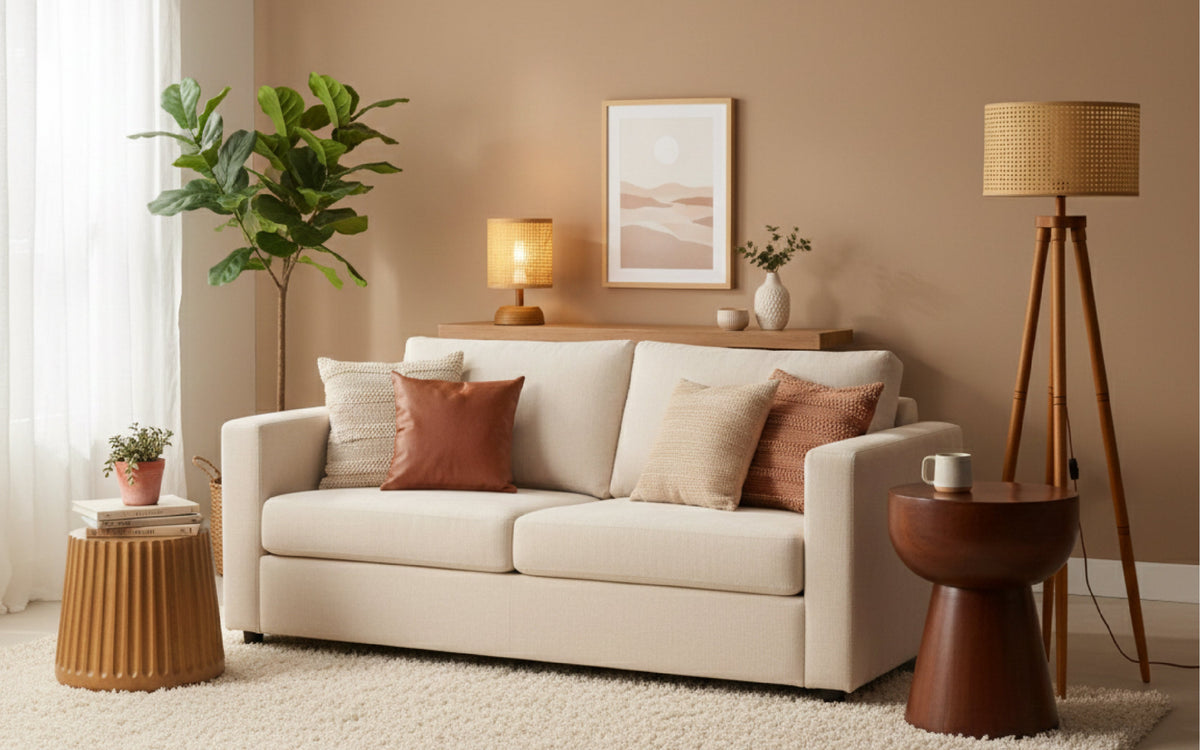
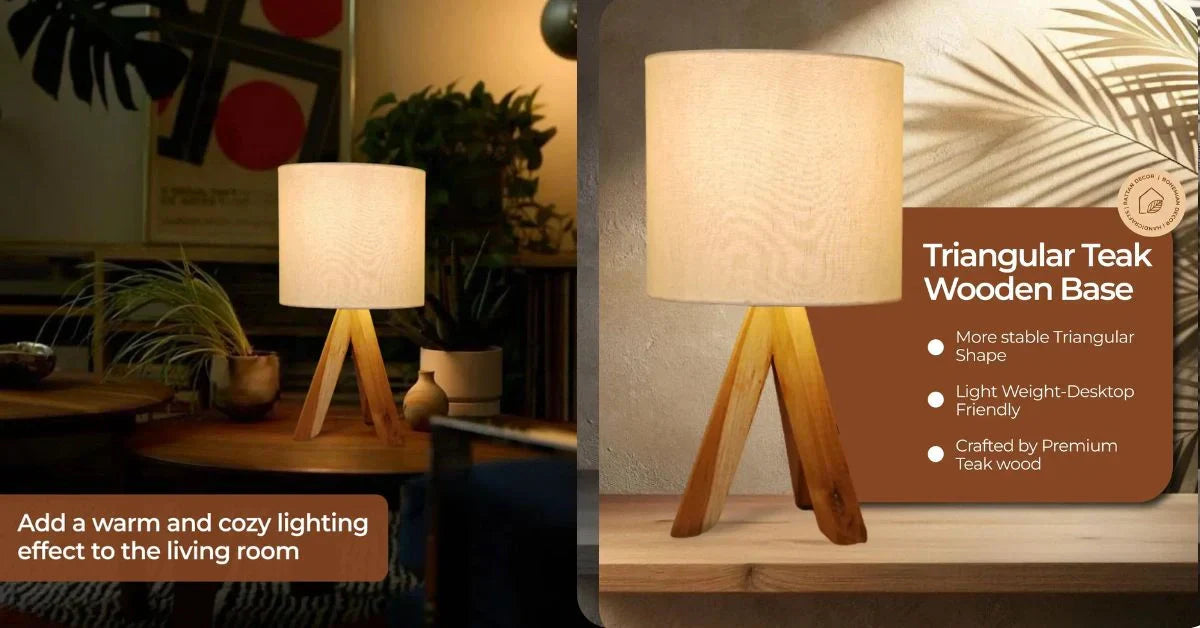
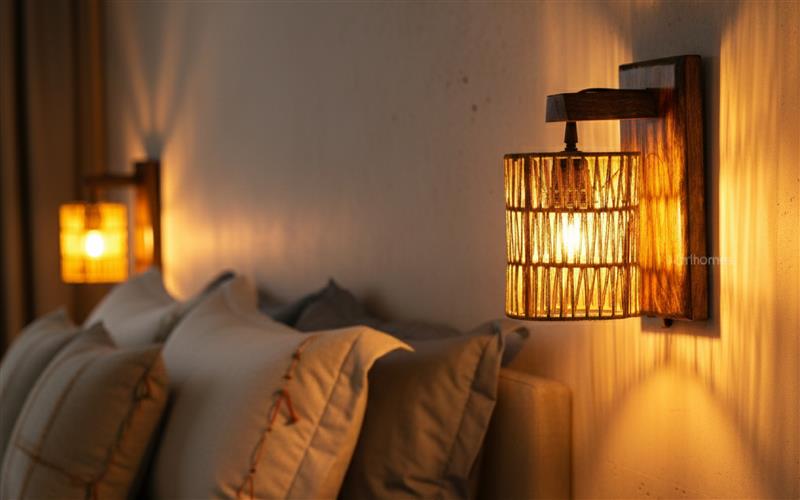
In modern homes, these fibres continue to feel relevant because they support calm, thoughtful interiors. Rattan and raffia decor works across different styles while still keeping a connection to craft and nature. Brands like Ikari Homes interpret this balance through careful material choices and refined handwoven detailing, which is why natural fiber home decor never truly disappears from design conversations.
Why Do Some Materials Outlive Design Trends?
Design trends change because taste changes. Materials last because behaviour does not. This is the difference that keeps natural fiber home decor relevant long after colours, shapes, and finishes move on.
Instead of listing trends, this section looks at why certain materials survive them.
What Trends Usually Depend On
-
Visual novelty
-
Short-term popularity
-
Social media influence
-
Seasonal styling cycles
These elements fade as quickly as they appear.
What Timeless Materials Depend On
-
Comfort in daily use
-
Visual neutrality
-
Sensory connection
-
Adaptability across styles
This is where natural fiber home decor separates itself from synthetic or trend-driven alternatives.
What Makes Handwoven Rattan and Raffia Different From Machine-Made Decor?
Not all woven pieces are created the same way. The difference between handwork and factory work is not just visual, it changes how a product feels, lasts, and fits into a home.
This section uses a side-by-side comparison to make that difference clear.
|
Handwoven rattan and raffia |
Machine-made alternatives |
|
Slight irregularities in the weave |
Perfectly uniform patterns |
|
Flexible, breathable structure |
Rigid, fixed form |
|
Craft skill is visible in detail |
Process hidden behind polish |
|
Ages with character |
Ages with wear |
Why This Difference Matters in Real Homes
Handwoven rattan and raffia carry small variations that make each piece feel individual instead of identical. Those variations are not flaws, they are what keep the material visually alive.
Machine-made decor prioritises consistency and repetition, whereas handwoven pieces carry subtle variations that give them depth, warmth, and individuality.
How Texture Creates Emotional Comfort in Interiors
People rarely describe a home as comfortable because of its colour or layout alone. They describe it based on how the space feels. Texture plays a quiet but powerful role in creating that feeling, which is why rattan and raffia decor continues to feel emotionally comforting across different interiors.
Instead of treating texture as decoration, this section looks at how it affects everyday experience.
1. What Smooth Surfaces Do
Smooth, polished materials reflect light, highlight structure, and keep spaces visually sharp. They create clarity, but they rarely create warmth.
2. What Woven Texture Does
Woven fibres soften light, absorb visual tension, and introduce gentle irregularity. This makes a space feel calmer, slower, and easier to live in.
3. Why Handwoven Texture Feels Different
Handwoven rattan and raffia carry natural variation in every strand. The eye notices this variation even when the mind does not, which is why the space feels more relaxed without looking unfinished.
How Rattan and Raffia Adapt Across Interior Styles
Rattan and raffia do not change their nature to fit a style. Instead, each style changes slightly to accommodate its texture and softness, which is why rattan and raffia decor never feels forced.
In Boho Spaces
Rattan and raffia support layered styling without competing with colour or pattern. They act as grounding elements in spaces that already carry visual richness.
-
Works naturally with textiles and plants
-
Keeps boho spaces from feeling heavy
In Minimal Interiors
Minimal spaces rely on restraint, and rattan introduces warmth without breaking that discipline. The texture adds depth while keeping the visual language simple.
-
Softens sharp furniture lines
-
Prevents minimal spaces from feeling cold
In Coastal or Light-Filled Homes
Natural fibres reflect light gently instead of sharply. This keeps the space open, airy, and visually relaxed.
-
Maintains brightness without glare
-
Supports an easy, breathable atmosphere
In Contemporary Indian Interiors
Rattan and raffia sit comfortably beside wood, stone, and neutral fabrics. This allows rattan and raffia decor to feel integrated rather than styled.
-
Matches Indian material palettes
-
Blends easily with modern layouts
Why Handwoven Rattan and Raffia Work Especially Well in Indian Homes
Indian homes demand materials that can handle climate, light, and daily movement without losing comfort or character. This is where handwoven rattan and raffia feel naturally suited rather than stylistically imported.
-
They allow air to pass through the weave, which helps them handle Indian heat and humidity better than sealed materials.
-
They soften strong natural light instead of reflecting it sharply, keeping rooms visually calm.
-
Their lightweight appearance helps compact Indian homes feel open rather than crowded.
-
They age gently with daily use, which suits homes that are lived in rather than staged.
How Ikari Homes Protects the Craft of Handwoven Rattan and Raffia
Handwoven materials deserve more than decorative treatment. They require respect for process, proportion, and long-term use. This is why rattan and raffia decor remains meaningful only when craftsmanship is preserved, not simplified.
Ikari Homes treats handwoven rattan and raffia as living materials that must age well, not just look good on day one.
-
Material-First Design: Ikari Homes allows the natural weave and texture to remain visible, so the material itself leads the visual experience.
-
Balanced Proportions: Each piece is shaped to feel light and practical in Indian homes instead of heavy or decorative.
-
Craft Over Control: The brand avoids forcing uniformity, letting handwoven variation remain part of the design character.
-
Natural Fibre Respect: This approach keeps natural fiber home decor visually honest, allowing rattan and raffia to age with warmth instead of visual fatigue.
Let Natural Texture Lead Your Space
Some materials stay relevant because they follow trends. Handwoven rattan and raffia stay relevant because they follow life. Their texture, behaviour, and quiet honesty allow them to adapt across styles, climates, and generations. This is why natural fiber home decor never feels outdated, and why rattan and raffia decor continues to return whenever homes seek calm, balance, and authenticity.
Ikari Homes carries this craft forward with respect for material, proportion, and everyday living. Through thoughtful design and careful weaving, handwoven rattan and raffia become more than décor — they become part of how a home feels. Explore Ikari Homes today and bring timeless natural craft into your living space with confidence.